How to Prepare for Your Hair Transplant: A Step-by-Step Checklist
Key Takeaways
- A little preparation goes a long way — how well you prepare in the weeks before your hair transplant directly affects how smoothly you heal and how natural your results look.
- Start with an honest consultation. Bring your medication list, your medical history, and your questions so your provider can confirm you’re a good candidate and tailor your plan.
- In the two to four weeks before, focus on scalp health, stop smoking, and review supplements and blood-thinning medications with your provider — never stop a prescription on your own.
- The final week is about protecting your healing: no alcohol, no aspirin-type painkillers unless cleared, gentle daily scalp care, and plenty of rest.
- New You’s NeoGraft hair restoration in Sarver, PA is a minimally invasive FUE method with no linear scar and a quicker recovery than older “strip” surgery.
A hair transplant is one of the few cosmetic procedures where the result is permanent — the hair that’s moved keeps growing for life. That’s exactly why the preparation matters so much. The choices you make in the weeks leading up to your appointment influence how cleanly your scalp heals, how well the transplanted grafts “take,” and how natural the final hairline looks once everything grows in.
The good news: most of the prep is simple, and none of it is dramatic. This guide walks you through it in plain language, step by step — from your very first consultation to the morning of your procedure, plus what to expect during recovery. Think of it as a checklist you can return to as your appointment gets closer.
First, a Quick Word on Modern Hair Transplants
Hair transplants have come a long way. At New You Skin & Body Spa, we use NeoGraft, an advanced form of Follicular Unit Extraction (FUE). Instead of removing a strip of scalp and leaving a linear scar — the older approach many people still picture — FUE moves your hair follicles one small group at a time. That means no stitches, no linear scar, and a more comfortable recovery.
Understanding which method you’re having helps the preparation make sense: most of the steps below are about giving those individual grafts the healthiest possible environment to settle into. If you’re still deciding how many follicles you’ll need, our guide on how many hair grafts you need is a helpful next read.
Step 1: Getting the Most Out of Your Consultation
Your hair transplant journey starts with a consultation. This is where our team examines your scalp, discusses your goals, and confirms whether a transplant is the right path — and if so, what’s realistic for your pattern of hair loss. A little prep here sets the tone for everything that follows.
- Write your questions down ahead of time. It’s easy to forget what you wanted to ask once you’re in the room. Anything you’re curious or worried about — recovery time, results, cost, what the day feels like — bring it up.
- Bring your full medical history. Note any health conditions, past surgeries, and allergies. These help us keep you safe and plan around anything that could affect healing.
- List every medication and supplement. Include prescriptions, over-the-counter products, vitamins, and herbal supplements. Some — like blood thinners, certain anti-inflammatories, and supplements such as fish oil or vitamin E — can increase bleeding, so we’ll review them with you.
- Come with clean hair. Wash your scalp the night before or that morning so we can see it clearly.
Pro tip: Take a few photos of your scalp in good lighting from the front, top, and sides before your consultation. They’re useful for tracking changes over time and for talking through your goals.
Step 2: Two to Four Weeks Before
This is your window to set up the healthiest possible foundation. None of it is difficult, but starting early gives your body time to respond.
Review medications and supplements
Your provider will tell you whether to pause any blood-thinning medications (like aspirin) or supplements that can increase bleeding, and exactly when. Never stop a prescribed medication on your own — always coordinate with the provider who prescribed it. If you take Minoxidil (Rogaine), ask when to stop and when you can safely restart it after the procedure.
Stop smoking
If you smoke, this is the single most valuable thing you can do. Nicotine narrows blood vessels and reduces blood flow to the scalp, which is exactly what your healing grafts depend on. Aim to stop at least two weeks before — earlier is better — and stay off it through recovery.
Look after your scalp
A healthy scalp is a better host for new grafts. Keep it clean, avoid harsh chemical treatments, and ask whether a daily gentle scalp massage (around 10 minutes) makes sense for you — it encourages blood flow to the area. If hair-strengthening support is part of your plan, this is also when many patients begin a supplement like Nutrafol under guidance.
Step 3: The Final Week
As the day gets closer, the focus shifts to protecting your scalp and keeping your body in good shape to heal.
- Skip the alcohol. Stop drinking about a week beforehand. Alcohol affects blood pressure and can interfere with healing.
- Avoid aspirin and similar painkillers. Anti-inflammatories like ibuprofen and aspirin can increase bleeding. If you need pain relief and your provider agrees, acetaminophen (Tylenol) is usually the safer choice — but confirm first.
- Keep up gentle scalp care. Continue your daily massage if recommended, and keep the area clean and free of styling products.
- Prioritize sleep. A well-rested body heals better. Try to bank good sleep in the days leading up to your appointment.
Step 4: One to Two Days Before
Now it’s about the final details that make surgery day go smoothly.
- No smoking for at least 24 hours. Give your circulation the best possible head start.
- Skip heavy exercise. Avoid intense workouts for at least two days before, since they can raise blood pressure and affect healing.
- Pause Minoxidil if your provider has asked you to — they’ll tell you when to restart.
- Wash your hair and scalp. Clean hair the night before or that morning lowers the chance of infection.
- Plan your clothing and ride. Choose a button-up or zip shirt so you don’t have to pull anything over your head afterward, and arrange a ride home if you’ll be sedated or simply prefer not to drive.
Step 5: On Your Procedure Day
Most hair transplants are completed in a single day. Plan for roughly four to eight hours depending on how many grafts you’re having moved — it’s a long but comfortable day, and you’ll be awake and relaxed throughout.
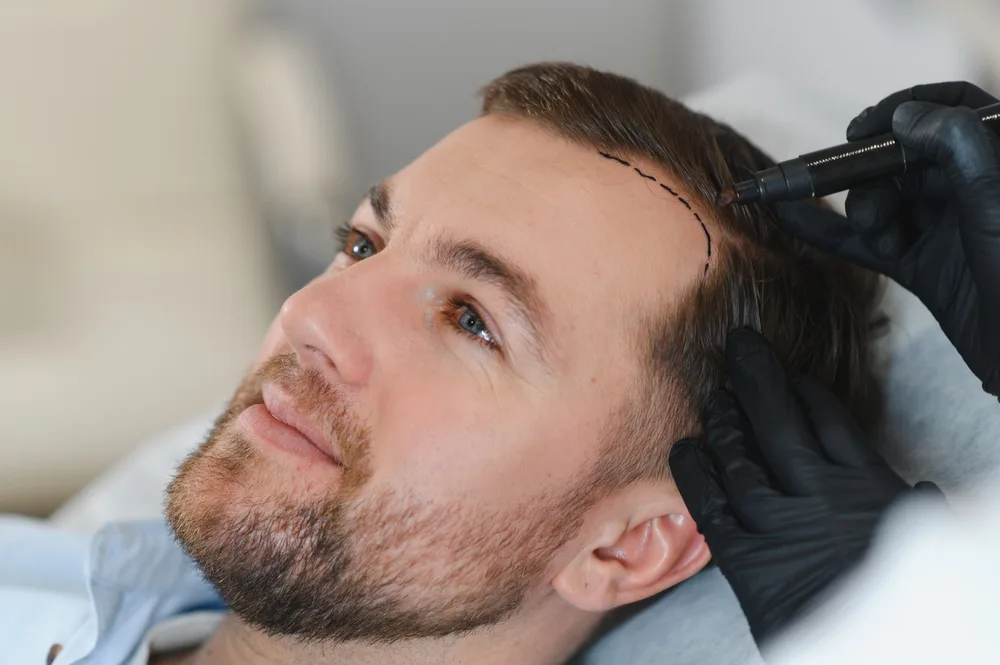
- Hairline design. Before anything begins, we’ll map your new hairline directly on your scalp so you know exactly where your hair will grow. This is your chance to confirm you’re happy with the shape and density.
- The procedure. Once the grafts are placed, you may notice tiny red dots or small scabs in the treated areas. This is completely normal — they’ll crust over and fall away on their own. Try not to touch or pick at them.
- Comfort. Bring something to pass the time — headphones, a playlist, or a podcast. Eat a normal breakfast beforehand unless told otherwise, and wear comfortable clothes.
After Your Transplant: Gentle Care Wins
When you get home, the name of the game is patience and gentle care. Your provider will give you specific instructions, and following them closely is what protects your investment. In general, that means:
- Resting and keeping your head elevated, especially for the first few nights.
- Following the exact guidance on how and when to first wash your hair.
- Avoiding strenuous exercise, swimming, saunas, and direct sun on the scalp for the period your provider specifies.
- Leaving the scabs alone so the grafts can anchor securely.
It’s also normal for transplanted hairs to shed in the first few weeks — this is called “shock loss,” and it doesn’t mean the procedure failed. The follicles remain, and new growth typically begins within a few months, with fuller results developing over six to twelve months.
Keep in mind: Timelines and graft numbers are averages. Your ideal plan depends on your unique pattern of hair loss, so the specifics your provider gives you always take priority over general guidance.
Ready When You Are
Preparing well doesn’t have to be complicated — it’s mostly about a few thoughtful choices made a little early. If you have questions at any step, or you’re still weighing whether a transplant is right for you, the team at New You Skin & Body Spa in Sarver, PA is here from your first consultation through full recovery. Learn more about our NeoGraft hair restoration, or give us a call at 724.294.8450 to book a consultation.
Disclaimer: The information provided here is for general knowledge only and should not be considered medical advice. For any questions or concerns about your health or medications, please consult your physician or healthcare provider, who is best equipped to provide guidance specific to your needs.