
Morpheus8 Explained: RF Microneedling for Face and Body
Key Takeaways
- Morpheus8 combines two proven tools — microneedling and radiofrequency (RF) energy — to tighten skin and remodel collagen from deeper than either does alone.
- Tiny needles create controlled micro-injuries while delivering RF heat beneath the surface, prompting your skin to rebuild firmer, smoother tissue over the following weeks and months.
- It treats both the face and the body, addressing concerns like fine lines, mild sagging, large pores, acne scars, and crepey or loose skin.
- It works at adjustable depths — reaching meaningfully deeper than standard microneedling — which is why it’s described as a remodeling treatment, not just a surface refresh.
- Most plans involve a short series of sessions with minimal downtime, typically a day or two of redness.
If you’ve started looking into skin tightening, the name Morpheus8 comes up almost immediately — often alongside glowing before-and-after photos and a fair amount of jargon. “RF microneedling,” “fractional remodeling,” “subdermal adipose remodeling”… it’s easy to walk away more confused than when you started. The treatment itself, though, is built on a refreshingly simple idea.
Morpheus8 takes two technologies that already work well on their own — microneedling and radiofrequency heat — and combines them so they reach deeper and do more together than either does alone. This guide explains what that actually means, what Morpheus8 treats, what a session feels like, and who tends to be a good fit. No marketing fog, just a clear picture.
What Is Morpheus8?
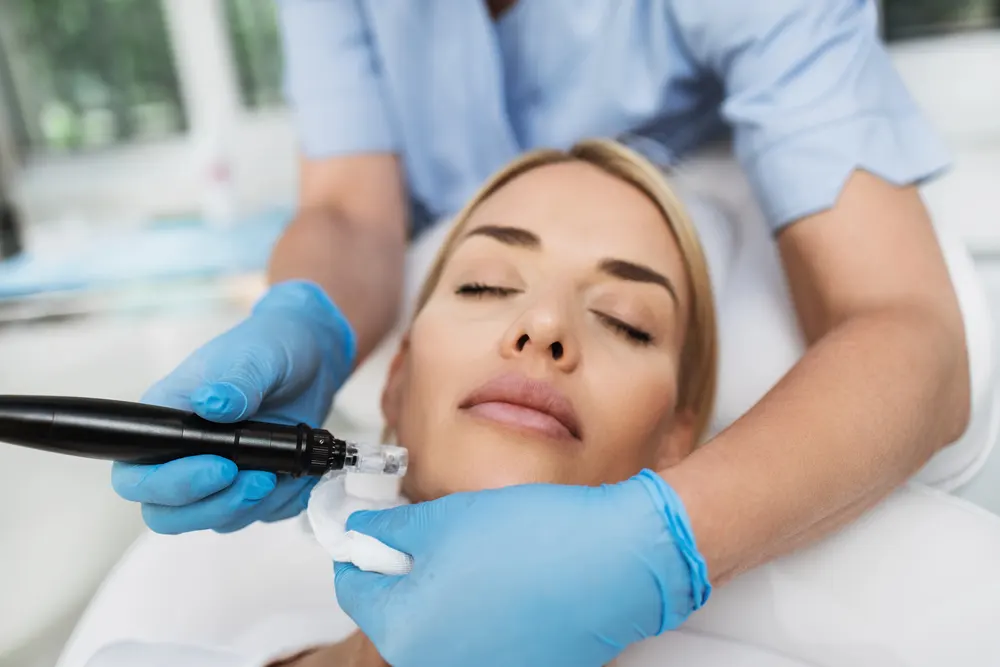
Morpheus8 is a minimally invasive treatment that pairs microneedling with radiofrequency energy to tighten skin and stimulate new collagen. A handpiece presses an array of very fine needles into the skin; as those needles reach their set depth, they deliver RF energy as heat into the tissue below the surface. The result is a controlled remodeling response in the deeper layers of the skin — the layers responsible for firmness and structure.
The “8” refers to the microneedle configuration, and the device is fractional, meaning it treats tiny zones of skin while leaving surrounding tissue intact to speed healing. It’s used both on the face and on larger body areas, which is part of why it’s become so popular.
How It Works: Microneedling Meets Radiofrequency
The Microneedling Part
On its own, microneedling works by creating thousands of microscopic channels in the skin. Your body treats these as tiny injuries and responds by producing fresh collagen and elastin — the proteins that keep skin firm and smooth. It’s the same principle behind a dedicated treatment like our SkinPen microneedling, and it’s excellent for surface texture, tone, and fine lines.
The Radiofrequency Part
Radiofrequency adds heat. When RF energy warms the deeper layers of the skin to a precise temperature, it causes existing collagen to contract immediately (a tightening effect you notice over time) and triggers a longer remodeling process that builds new collagen for months afterward. RF is a well-established, time-tested technology — the same family of energy used in skin-tightening treatments like Forma.
Why Combining Them Matters
The magic of Morpheus8 is delivering that RF heat through the needles, directly into the depth where collagen lives — rather than only warming the surface. Because the needle depth is adjustable, your provider can tailor how deep the treatment reaches for a given concern and area. That combination of mechanical stimulation plus deep, targeted heat is what lets Morpheus8 address sagging and structural laxity, not just surface texture.
What Morpheus8 Treats
Because it works at adjustable depths on both face and body, Morpheus8 is genuinely versatile. On the face and neck, it’s commonly used for fine lines and wrinkles, mild to moderate skin laxity (think early jowls or a softening jawline), enlarged pores, and uneven texture. It’s also a popular choice for acne scarring, where the combination of needling and deep remodeling can smooth indented scars over a series of treatments.
On the body, it’s used for crepey or loose skin in areas like the abdomen, upper arms, knees, and thighs — places where skin quality often changes with age, weight shifts, or after pregnancy. For our clients exploring this, the dedicated Morpheus8 treatment page covers the specific areas we treat in Sarver, PA.
What a Session Feels Like (and Downtime)
Before treatment, a topical numbing cream is applied to keep you comfortable, since the procedure does involve needles and heat. During the session, most people feel a warm, prickling sensation as the device moves across the skin. A single area typically takes somewhere in the range of 30 to 60 minutes depending on its size.
Afterward, it’s normal to look a bit like you have mild sunburn — redness, warmth, and possibly slight swelling or tiny dot-marks — for one to three days. Most people are comfortable returning to normal activities quickly and can wear makeup again within a day or two. Compared to more aggressive resurfacing procedures, the downtime is modest, which is a big part of its appeal.
Results and What to Expect
Morpheus8 is not an instant fix, and that’s worth setting expectations around honestly. You may notice some immediate tightening from the heat, but the real results come from collagen remodeling, which unfolds gradually. Most people see continued improvement over roughly three months following their treatment series, with skin looking firmer, smoother, and more even.
A typical plan is a short series of sessions — often around three — spaced several weeks apart, though the exact number depends on your concern and your skin. Results can last a year or more, and many people choose periodic maintenance to sustain them. As with any collagen-based treatment, outcomes vary from person to person based on age, skin condition, and lifestyle.
Is Morpheus8 Right for You?
Morpheus8 tends to be a strong fit for people who are starting to see early skin laxity or texture changes and want meaningful improvement without surgery or long recovery. It works across a wide range of skin tones — an advantage of RF-based treatments — and it’s flexible enough to address everything from a softening jawline to crepey skin on the body.
If your main concern is purely surface-level texture, a treatment like microneedling alone may be all you need; if you’re weighing skin tightening more broadly, it’s worth understanding how Morpheus8, Forma, and microneedling differ. The clearest way to know which fits your skin and goals is a professional assessment. To learn more about how Morpheus8 could work for you, explore our Morpheus8 page.
