The PRP Facial Explained: Microneedling + Your Body’s Own Healing
Key Takeaways
- A PRP facial combines microneedling with platelet-rich plasma drawn from a small sample of your own blood — no synthetic filler, no foreign material.
- The microneedling creates thousands of controlled micro-channels that trigger your skin’s natural repair response; the PRP delivers concentrated growth factors into those channels.
- It is most often used for skin texture, tone, enlarged pores, acne scarring, fine lines, and overall dullness — not for adding volume the way a filler does.
- Results build gradually. Most people notice changes within one to two weeks, and providers commonly recommend a short series of sessions spaced about four weeks apart.
- Downtime is usually short — redness and mild sensitivity for roughly two to five days.
- Because the treatment involves drawing and re-applying blood, where you have it done matters enormously. Always choose a licensed medical facility with trained providers.
If you have spent any time scrolling skincare content, you have probably seen the photos: someone reclining in a treatment chair, face flushed pink, looking like they have just gone a round with a very small hedgehog. The internet nicknamed it the “vampire facial,” which is memorable but not especially informative. The actual name is a PRP facial, and the science behind it is far less dramatic — and far more interesting — than the nickname suggests.
This guide explains what a PRP facial actually is, how platelet-rich plasma and microneedling work together, what the treatment realistically addresses, and what a session looks like from the moment you sit down. If you have been curious but a little put off by the marketing, this is the plain-language version.
What Is a PRP Facial?
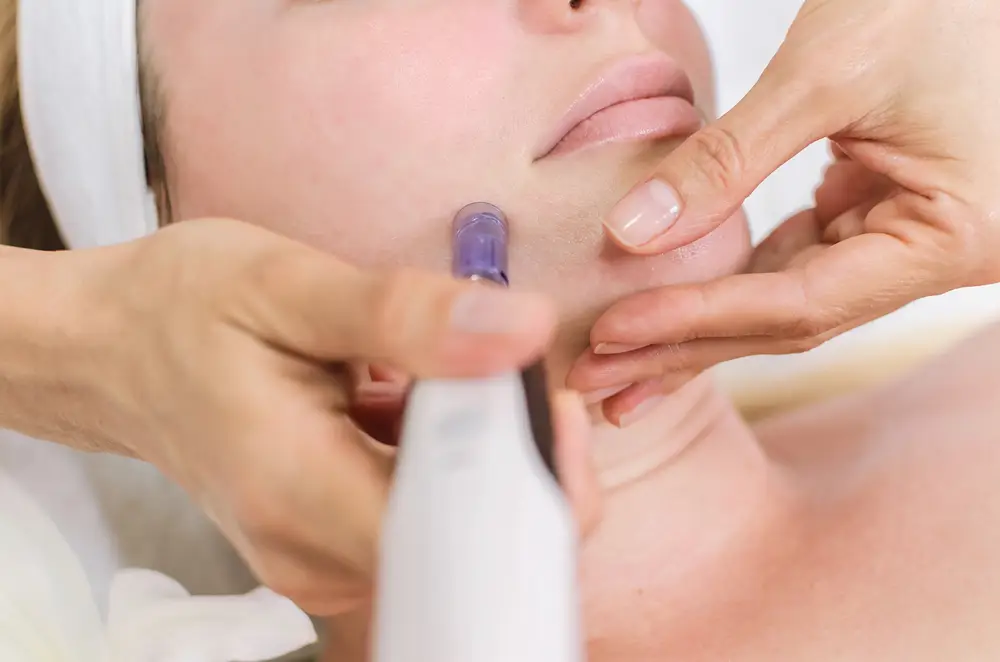
A PRP facial is a two-part treatment. The first part is microneedling: a handheld device passes over the skin with dozens of very fine, sterile needles that create thousands of tiny channels in the upper layers of the skin. The second part is PRP — platelet-rich plasma — which is a concentrated portion of your own blood, applied to the skin during and immediately after the microneedling pass.
Here is where the two halves meet. Microneedling works by creating controlled micro-injuries. Your skin does not know these are cosmetic, so it responds the way it responds to any small wound: it activates a repair cascade that produces new collagen and elastin. PRP is essentially a delivery of your body’s own healing signals, placed directly into freshly opened channels where they can actually reach the tissue that is doing the repairing. The idea is that you are not adding anything foreign — you are amplifying a process your body already runs.
That is what makes a PRP facial different from most other injectable or resurfacing treatments. There is no synthetic gel, no laser energy, and nothing left behind in the skin that was not already yours.
How Is the PRP Actually Made?
The process is simpler than it sounds and closely resembles a routine blood draw at a doctor’s office.
- A small blood sample is drawn — usually from your arm, and usually less than what you would give at a standard lab visit.
- The sample is spun in a centrifuge. Spinning separates blood into layers by density: red blood cells sink, and a golden-colored plasma layer rises to the top.
- The platelet-rich portion is isolated. Platelets are the cells that rush to any injury site, and they carry growth factors — proteins that signal surrounding tissue to repair, rebuild, and form new blood supply.
- The PRP is applied to your skin during and after microneedling, so the growth factors settle into the micro-channels rather than sitting on the surface.
The whole preparation happens in the treatment room during your appointment, which is part of why the session takes longer than a standard facial.
What Does a PRP Facial Treat?
It helps to be clear about what this treatment is and is not designed to do. A PRP facial is a skin-quality treatment. It works on the surface and the layers just beneath — texture, tone, and the way light reflects off your skin. It does not add volume, so it will not lift a flattened cheek or restore structure the way a dermal filler would.
Concerns it is commonly used to address include:
- Uneven texture and rough patches — the “my makeup isn’t sitting right anymore” complaint.
- Acne scarring — particularly shallow, rolling scars where collagen remodeling can soften the edges over time.
- Enlarged-looking pores — improved firmness in the surrounding skin can make pores appear less prominent.
- Fine lines — especially the crepey, superficial kind rather than deep expression lines.
- Dullness and uneven tone — including some forms of discoloration.
- Thin or lax skin in delicate areas — such as the neck or the under-eye region, where more aggressive treatments are harder to use safely.
One honest caveat worth stating plainly: the published research on PRP for facial rejuvenation is genuinely promising but still mixed. Studies vary widely in how the PRP is prepared, how many sessions are given, and how results are measured, and some trials have found that objective assessments do not always match how satisfied patients feel. That is not a reason to dismiss the treatment — patient-reported improvement matters — but it is a reason to be skeptical of anyone promising you a guaranteed outcome.
What to Expect at a PRP Facial Appointment in Sarver, PA
Knowing the sequence ahead of time takes most of the nerves out of a first appointment. Here is what a typical visit looks like at New You Skin & Body Spa:
- Consultation and skin assessment. Your provider reviews your goals, your medical history, and any medications or conditions that could affect healing or clotting.
- Cleansing and numbing. Your face is thoroughly cleansed, and a topical numbing cream is applied and given time to work. Most patients describe the sensation during treatment as a light scratching or vibration rather than pain.
- The blood draw and spin. A small sample is drawn and placed in the centrifuge while your numbing cream sets.
- Microneedling with PRP. Your provider passes the microneedling device systematically across the treatment area, adjusting depth for different zones — a lighter touch around the eyes, deeper where scarring is present — while applying PRP.
- Post-treatment care. A final layer of PRP or a soothing serum is applied, and you leave with clear aftercare instructions.
Plan for the appointment itself to take roughly an hour to ninety minutes once preparation is included.
Recovery: What’s Normal Afterward
Expect to look like you have a moderate sunburn for the first day or so. Redness, mild swelling, and a tight or sensitive feeling are all typical, and most people find this settles within two to five days. Some light flaking as the skin turns over is also common.
Your provider will give you specific instructions, but general aftercare usually includes keeping the skin clean and simple for the first day or two, skipping active ingredients like retinoids and acids until the skin has calmed, avoiding heavy sweating and hot environments briefly, and being diligent with sun protection while your skin is in repair mode.
Results are cumulative rather than instant. Most people begin noticing changes in texture and glow within one to two weeks, with continued improvement as new collagen forms over the following weeks. Because of that, providers commonly recommend a short series of sessions spaced roughly four weeks apart, followed by occasional maintenance.
Who Is — and Isn’t — a Good Candidate?
Most healthy adults tolerate PRP facials well. That said, this is a medical treatment, and there are situations where it is not appropriate. People with certain blood or clotting disorders, active skin infections or breakouts in the treatment area, some autoimmune conditions, poorly controlled diabetes, or a history of keloid scarring may not be suitable candidates. Pregnancy and breastfeeding are also generally reasons to wait. Certain medications and supplements that affect platelets or bleeding may need to be paused beforehand.
None of that can be sorted out from a blog post. It is exactly what a consultation is for, and our licensed providers will tell you honestly if a different treatment would serve you better.
Why the Facility Matters More Than the Trend
This is the part of the conversation that gets skipped in most social media posts, and it deserves emphasis. A PRP facial involves drawing blood, handling it, and reintroducing it through broken skin. Done properly, in a licensed medical setting with single-use equipment and proper sterile technique, that is routine. Done improperly, it is not.
There is a real-world example worth knowing about: in 2024, the CDC published an investigation into HIV transmissions linked to “vampire facials” performed at an unlicensed spa in New Mexico, where investigators found reused single-use equipment and unsafe blood handling. The problem there was not the treatment — it was an unlicensed operator with no business performing a medical procedure.
The takeaway is straightforward. Ask where the treatment is performed, whether the facility is licensed, who is performing it and what their credentials are, and how the equipment is handled. Any reputable provider will answer those questions without hesitation.
How PRP Facials Fit Alongside Other Treatments
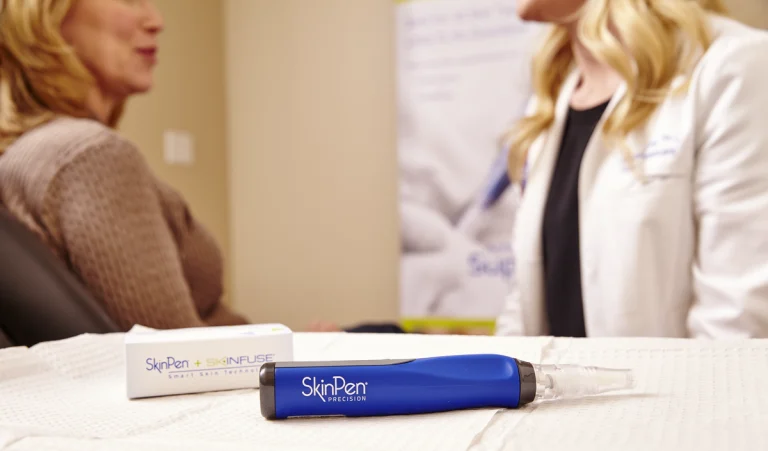
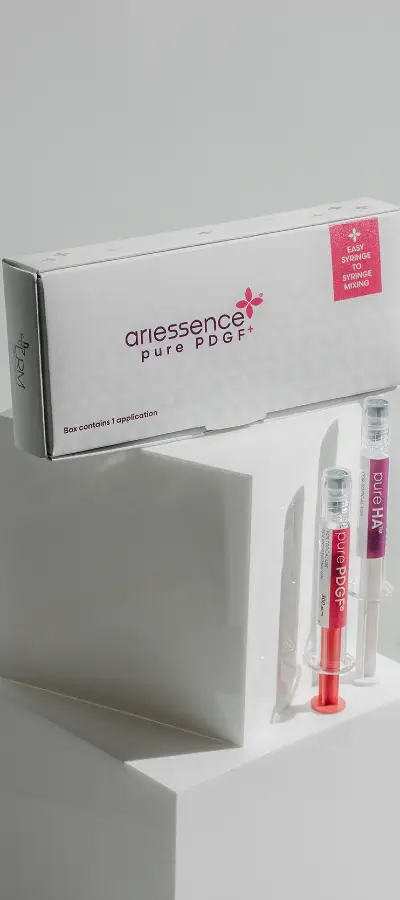
PRP is often part of a plan rather than the whole plan. If your primary concern is texture and you are not sure whether you need the plasma component, standard SkinPen microneedling may be the more sensible starting point, with PRP added later if you want to push results further. If you are interested in growth-factor treatments but would prefer to avoid a blood draw entirely, PDGF therapy uses a different growth-factor approach worth discussing. And if what is actually bothering you is lost volume rather than skin quality, a filler or collagen stimulator is the more direct answer.
A good provider looks at the whole picture and tells you which of these is the right first step — even when the answer is not the treatment you walked in asking about.
If you would like to understand whether a PRP facial fits your skin and your goals, you can explore the details on our PRP facial page. The team at New You Skin & Body Spa in Sarver, PA is always glad to answer questions — no pressure, just information.