PRP Facial Cost in Pittsburgh & Sarver, PA
Key Takeaways
- PRP facials are priced per session. Published national averages generally fall in the range of roughly $500 to $1,500 per session, with most providers clustering in the middle of that range.
- Most people are quoted a short series rather than a single visit — commonly three sessions spaced about four weeks apart — so the number that actually matters is the series total, not the single-session price.
- Treatment area is the biggest variable: face only costs less than face plus neck, and add-on areas such as the under-eye region or décolleté increase the total.
- Package pricing is common and typically costs less than booking sessions one at a time.
- The cheapest PRP facial is rarely the best value — provider training, facility licensing, and single-use equipment handling matter far more than the sticker price.
- For a real number for your skin, call 724-294-8450 or book a free consultation.
If you have gone looking for a straight answer on what a PRP facial costs around Pittsburgh, you have probably found a lot of ranges and very few actual numbers. That is frustrating, but there is a legitimate reason for it: the price depends on how many areas you treat, how many sessions your skin actually needs, and who is performing the treatment. Two people can walk out of the same practice on the same afternoon with meaningfully different totals.
This guide gives you realistic ranges, explains what drives the number up or down, and shows you how to compare quotes so you are comparing the same thing. If you would rather skip straight to a personalized quote, call our Sarver, PA team at 724-294-8450 or book a free consultation online — no obligation, and you will leave with a real plan and a real number.
What a PRP Facial Typically Costs
Across the United States, published pricing guides generally put a single PRP facial session somewhere in the range of about $500 to $1,500, with the majority of practices falling toward the middle of that band. Major metro markets like New York, Los Angeles, and Miami tend to sit at the upper end. Western Pennsylvania is not one of those markets, which generally works in your favor — practices in and around Pittsburgh and Butler County typically price below big-coastal-city levels for comparable treatment.
The more useful number, though, is the series total. Because PRP facial results are cumulative, providers commonly recommend a course of about three sessions spaced roughly four weeks apart. Nationally, a full series often lands somewhere in the low-to-mid four figures. If a practice quotes you only a per-session price without discussing how many sessions they expect you will need, you do not yet have enough information to compare it to anything.
What Actually Drives the Price
Treatment Area
This is the single biggest factor. A face-only treatment is the baseline. Adding the neck, the décolleté, or the delicate under-eye region increases both the time in the chair and the volume of PRP required, and the price moves accordingly. Many patients start with face only and add areas later once they see how their skin responds.
Number of Sessions
Someone treating mild dullness and early texture change may do well with fewer sessions than someone addressing established acne scarring. Your provider should tell you at the consultation roughly what to expect, and should be willing to reassess partway through rather than locking you into a plan that is not working.
PRP Preparation Method
Not all PRP is prepared the same way. Different centrifuge systems and processing kits yield different platelet concentrations, and higher-end systems cost the practice more per treatment. This is one of the reasons two quotes can differ by hundreds of dollars for what appears on paper to be the same service.
Provider Experience and Facility
A licensed medical facility with trained providers, proper blood-handling protocols, and single-use disposable equipment has real costs that a corner-cutting operation does not. That difference shows up in the price — and it is the part of the price you should be least interested in negotiating away.
Packages and Memberships
Because a series is the norm, most practices price packages below the cost of booking each session individually. If you already know you want the full course, ask about package pricing before you book the first session — it is usually the simplest way to reduce the total.
Comparing Quotes in Pittsburgh & Sarver, PA
When you call around, ask every practice the same set of questions so the numbers are actually comparable:
- Is this price per session, or for a series? The most common source of sticker shock is comparing one practice’s single-session price to another’s package.
- Which areas are included? Face only, or face and neck?
- How many sessions do you recommend for my concern?
- Who performs the treatment, and what are their credentials?
- Is the facility licensed, and is all blood-contact equipment single-use?
- Is the consultation free, and is any deposit applied to treatment?
That last group of questions is not a formality. A PRP facial involves drawing blood and reintroducing it through microchannels in the skin, and the safety of that process depends entirely on the setting and the training of the person doing it. A price that seems dramatically below everyone else’s is worth understanding rather than celebrating.
What Should Be Included in the Price
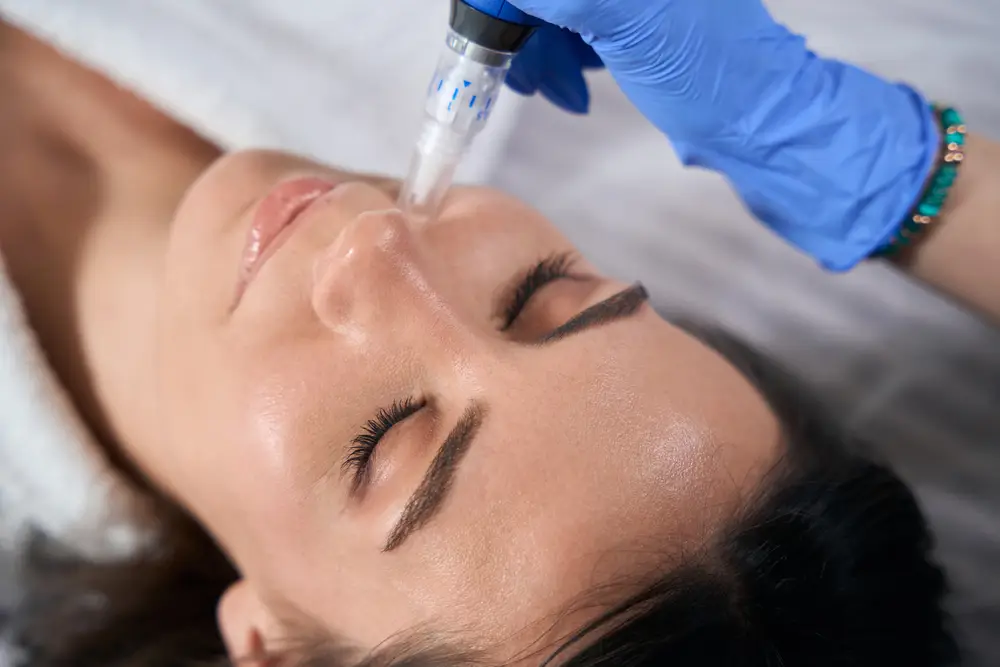
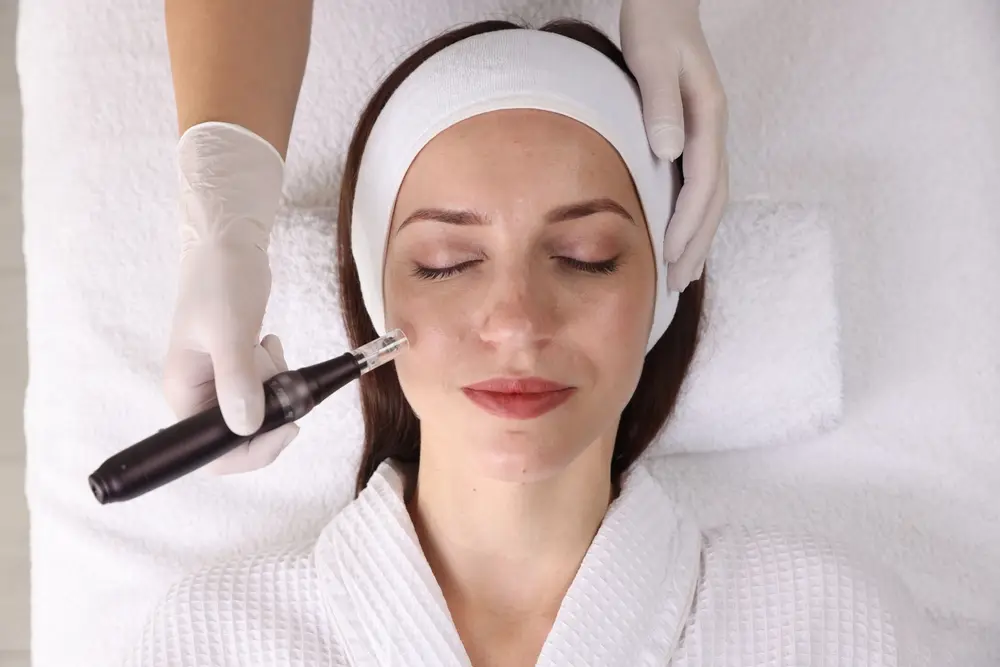
Before you compare two quotes, make sure they cover the same things. A complete PRP facial price should include the consultation and skin assessment, the blood draw and centrifuge processing, topical numbing, the microneedling treatment itself, the PRP application, and post-treatment products applied in the room. Ask whether follow-up visits or a mid-series check-in are included, and whether take-home aftercare products are extra.
Also ask what happens if you need to reschedule. Because PRP is prepared fresh on the day of your appointment, most practices have a cancellation window, and knowing it in advance saves an awkward conversation later.
Is a PRP Facial Worth the Cost?
That depends on what you want it to fix. PRP facials are a strong value when the goal is skin quality — texture, post-acne scarring, pore appearance, tone, thin or crepey skin. They are a poor value if what is actually bothering you is lost volume or significant sagging, because no amount of PRP will address those; a filler, a collagen stimulator, or an energy-based tightening treatment would be the better spend.
It is also fair to note that clinical research on PRP for facial rejuvenation, while encouraging, varies between studies in how PRP is prepared and how results are measured. Patient satisfaction is consistently high; objective measurement is less consistent. A good provider will tell you that up front and set expectations accordingly instead of promising a specific outcome.
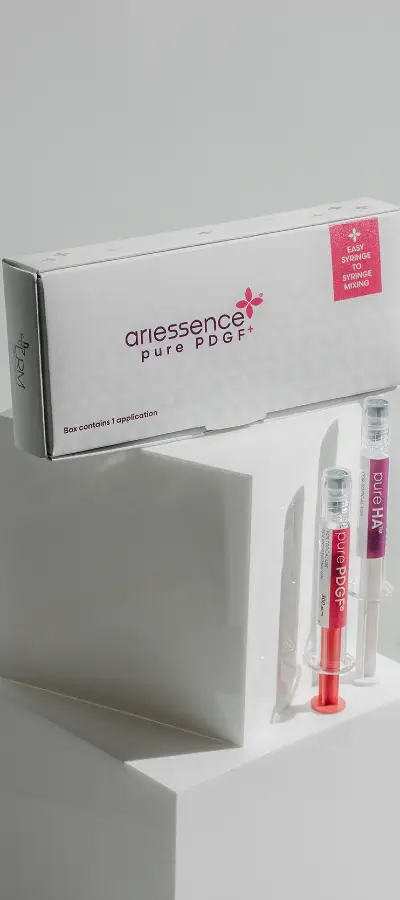
If cost is the deciding factor and you are not sure PRP is necessary for your concern, standard SkinPen microneedling is a lower-cost way to test how your skin responds to collagen induction before committing to the full treatment. Patients who would prefer a growth-factor approach without a blood draw sometimes explore PDGF therapy instead. Both are worth raising at your consultation.
Getting a Real Number for Your Skin
Everything above is a range. The only way to get an accurate figure is a consultation, where a provider can look at your skin, understand what is bothering you, and build a plan around it — including telling you if a less expensive treatment would get you where you want to go.
At New You Skin & Body Spa in Sarver, PA, consultations are free and there is no pressure to book on the spot. You can see the full treatment details on our PRP facial page, and when you are ready for an honest, personalized quote, call us at 724-294-8450 or book your free consultation online. You will leave knowing exactly what your plan involves and exactly what it costs.