IPL vs BBL: Comparing Photofacial Options
Key Takeaways
- The IPL vs BBL question is really a comparison between pulsed light platforms. BBL (BroadBand Light) is Sciton’s branded pulsed light technology, and like other IPL devices it uses filtered, broad-spectrum light rather than a single laser wavelength.
- Platforms differ in their filters, cooling, and how they deliver power and pulses. Those engineering choices affect comfort and treatment style, but both BBL and quality IPL systems treat sun spots, redness, and uneven tone.
- Lumecca is InMode’s IPL platform. InMode positions it as a high peak power IPL designed to treat pigment and vessels in fewer sessions.
- Provider skill, an honest skin-type assessment, and the right settings matter more than the brand name on the device.
- Pulsed light is best for color concerns (brown and red). For texture, fine lines, and acne scarring, a laser such as CO2 resurfacing is usually the better tool.
If you have been researching photofacials, you have probably run into two terms that seem to compete with each other: IPL and BBL. Some websites present them as rival treatments, and it is easy to come away thinking one is a “newer” or “better” version of the other. The reality is simpler and more useful to know before you book.
This guide explains what the IPL vs BBL comparison actually means, how pulsed light platforms differ from one another, where the Lumecca IPL we offer at New You Skin & Body Spa fits, and what matters most when you are choosing a photofacial. If you are brand new to the treatment, start with our IPL photofacial guide for the basics, then come back here for the comparison.
IPL vs BBL: What Is the Actual Difference?
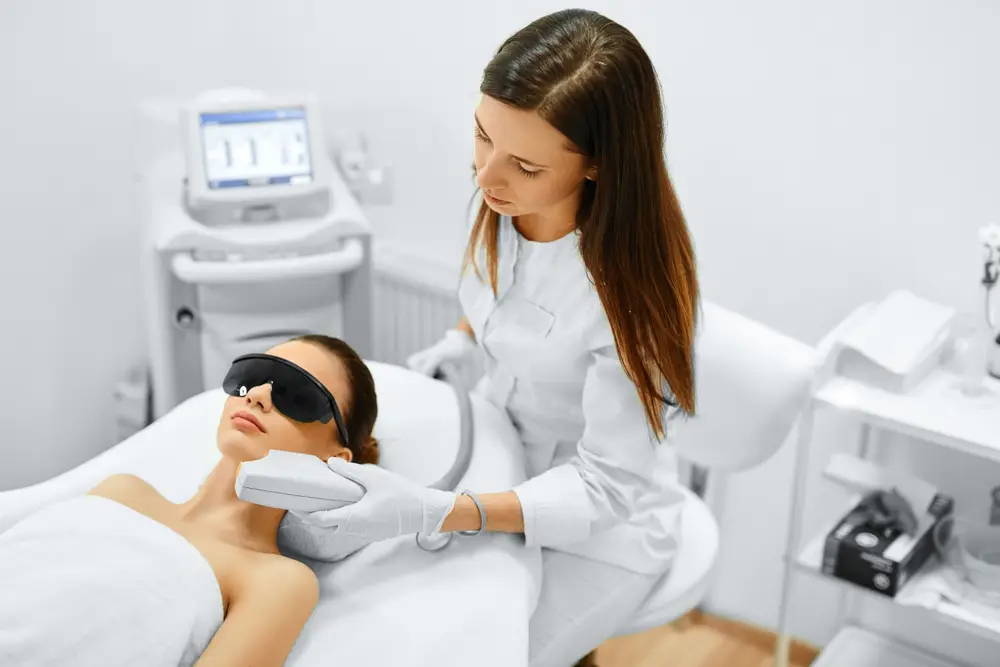
IPL stands for intense pulsed light. Instead of producing one precise wavelength the way a laser does, an IPL device emits a broad spectrum of light in short pulses. Filters remove the wavelengths that are not needed, and the remaining light is absorbed by targets in the skin — mainly melanin in brown spots and hemoglobin in small red vessels. That light turns into heat, which breaks up pigment and shuts down unwanted vessels. This process is called selective photothermolysis.
BBL, or BroadBand Light, is a trademarked technology made by Sciton. It works on the same core principle: filtered, broad-spectrum pulsed light that targets pigment and redness. Sciton describes BBL as distinct from traditional IPL, pointing to its wide wavelength range and its combinations of filters. BBL is a well-respected platform, but from a patient’s point of view, BBL belongs to the same family as other intense pulsed light devices.
A helpful way to think about it: “IPL” is the category, the way “SUV” is a category. BBL is one manufacturer’s model, and Lumecca is another. Asking “IPL vs BBL” is a bit like asking “SUV vs a specific brand of SUV.” The more useful question is how individual platforms compare — and whether the person operating the device knows how to use it well for your skin.
How Pulsed Light Platforms Differ
All quality pulsed light systems share the same goal, but manufacturers make different engineering choices. These are the main areas where platforms vary:
Filters and wavelength selection
Filters decide which portion of the light spectrum reaches your skin. Shorter wavelengths are generally used for superficial pigment, while longer ranges reach deeper and are useful for vessels and redness. Different platforms offer different filter options and combinations, which gives the provider flexibility to tailor treatment to brown spots, redness, or both.
Cooling
Cooling protects the top layer of skin and makes treatment more comfortable. Many platforms build cooling into the handpiece, chilling the skin before, during, and after each pulse.
Power and pulse delivery
Platforms differ in how much energy they can deliver and how quickly — often described as peak power — as well as in pulse length and spacing. These factors influence how efficiently the light heats its target, how the treatment feels, and how a provider plans the number of passes and sessions.
Where Lumecca IPL Fits
At New You Skin & Body Spa, we offer Lumecca Peak IPL, a pulsed light platform made by InMode. InMode positions Lumecca as a high peak power IPL, designed to deliver more energy in each pulse so that pigmented and vascular concerns can be treated in fewer sessions than with traditional IPL. As with any manufacturer claim, individual results vary with your skin, the severity of the concern, and the settings used.
Lumecca is used to treat:
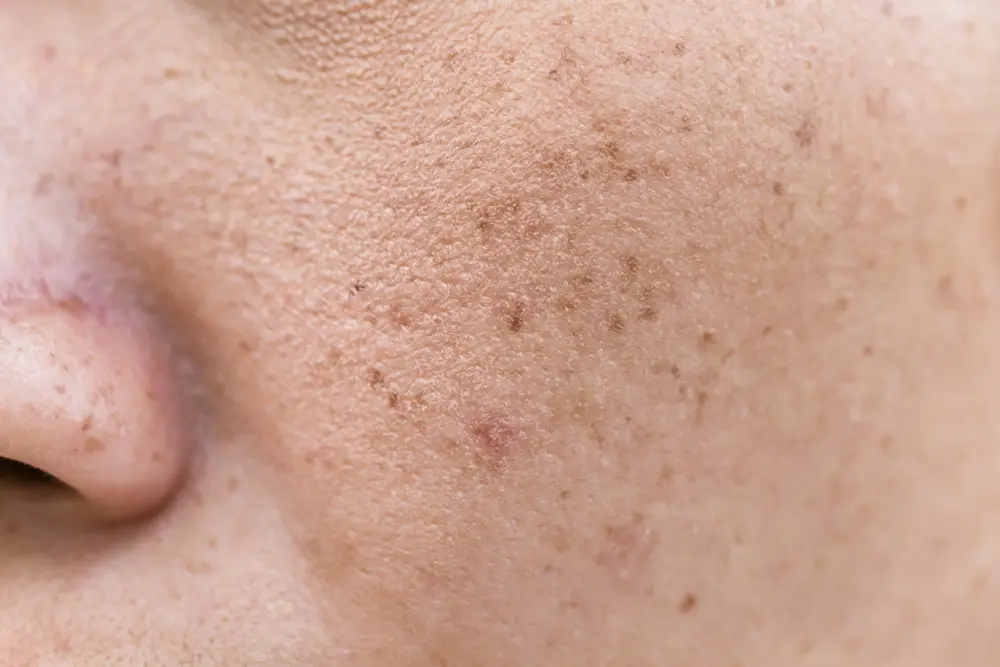
- Sun damage and age spots, including brown spots on the face, neck, chest, hands, and arms.
- Redness and visible vessels, such as facial spider veins (telangiectasias) and the flushing associated with rosacea.
- Post-acne discoloration, freckles, and uneven tone.
Many patients notice an improvement after the first session, and multiple sessions typically build on those results. We usually suggest a series of three for best results, adjusted to your skin type and goals. After treatment, brown spots often darken over a day or two and then flake away over the following week, while treated vessels fade over a few days to two weeks.
Who is a good candidate for Lumecca?
- Lumecca is best suited to Fitzpatrick skin types I to III — lighter skin tones that contain less surface pigment.
- You should avoid tanning and heavy sun exposure for about a month before treatment.
- Deeper skin tones are generally better matched with other treatments, which we can discuss at a consultation.
A Fair Comparison: Lumecca, BBL, and Traditional IPL
The table below summarizes how these options compare in general terms. None of them is a laser. Specifications vary by model and by how a device is set up, so treat this as a starting point for a conversation, not a scorecard.
| Lumecca IPL | BBL (BroadBand Light) | Traditional IPL | |
|---|---|---|---|
| Technology | Filtered broad-spectrum pulsed light | Filtered broad-spectrum pulsed light | Filtered broad-spectrum pulsed light |
| Manufacturer | InMode | Sciton | Various makers |
| Manufacturer positioning | High peak power; designed to treat in fewer sessions | Broad wavelength range, filter combinations, ongoing maintenance treatments | Varies by device and age |
| Main concerns treated | Brown spots, sun damage, redness, small vessels | Brown spots, sun damage, redness, small vessels | Brown spots, sun damage, redness, small vessels |
| Best skin types | Lighter skin (Fitzpatrick I–III) | Generally lighter skin; careful assessment needed | Generally lighter skin; careful assessment needed |
| Typical downtime | Minimal — redness, spots darken and flake | Minimal — redness, spots darken and flake | Minimal — redness, spots darken and flake |
| What decides results | Provider skill, skin assessment, settings | Provider skill, skin assessment, settings | Provider skill, skin assessment, settings |
BBL and Lumecca are both capable, established pulsed light platforms. The bigger difference you will notice as a patient comes from who treats you and how.
What Matters More Than the Brand
When patients ask us whether one device is “better,” we steer the conversation toward the factors that have the greatest impact on safety and results:
- Provider skill and training. Pulsed light is powerful. Choosing the right filter, energy, and pulse settings — and adjusting them in real time — takes experience.
- An honest skin-type assessment. Pulsed light targets pigment, so a provider must assess your skin tone, recent sun exposure, and history of pigment changes before treating. Being told you are not a good candidate is a sign of a careful provider, not a bad one.
- Settings matched to your concern. Brown spots and redness respond to different approaches. A good plan targets what you actually want to change.
- Aftercare and sun protection. Daily sunscreen and sun avoidance help protect results and reduce the risk of new spots forming.
When a Laser Is the Better Choice: Texture and Fine Lines
Pulsed light shines when the main concern is color — brown and red. It is not designed to resurface the skin. If you are bothered by rough texture, enlarged pores, fine lines, or acne scarring, a laser treatment may be the better match.
Our Tetra CO2 CoolPeel laser resurfacing is a fractional CO2 treatment that stimulates new collagen to improve texture, fine lines, and sun damage, with minimal downtime compared with traditional CO2 lasers. For patients who want to refresh tone and texture without a device, chemical peels are another option, and our article on chemical peel benefits explains the different depths. Some patients combine approaches over time — for example, pulsed light for spots and redness, with resurfacing for texture — based on a plan built during consultation.
How to Choose a Photofacial in the Pittsburgh Area
If you are comparing providers around Pittsburgh and Sarver, PA, these questions will tell you more than the name on the device:
- Which pulsed light platform do you use, and why did you choose it?
- Am I a good candidate based on my skin type and recent sun exposure?
- Are you targeting my brown spots, my redness, or both — and how will settings differ?
- How many sessions do you expect I will need, and how far apart?
- Would a laser or peel serve my texture concerns better?
A provider who answers clearly, explains the trade-offs, and is willing to recommend a different treatment when it suits you better is a provider worth trusting.
The Bottom Line
The IPL vs BBL debate is less about a winner and more about understanding what you are comparing. BBL is Sciton’s version of pulsed light; Lumecca is InMode’s. Both treat sun damage, brown spots, and redness, and the results you see depend most on skin assessment, settings, and the experience of the person treating you.
If you are considering a photofacial, book a free consultation with the team at New You Skin & Body Spa in Sarver, PA. We will assess your skin, explain whether Lumecca IPL is a good fit, and recommend another option if your goals call for it.