IPL Photofacial Explained: How Lumecca Treats Sun Damage
Key Takeaways
- An IPL photofacial uses intense pulsed light — a broad spectrum of light filtered to target specific concerns — rather than the single wavelength of a laser.
- The light is absorbed by pigment (brown spots) and by hemoglobin in visible blood vessels (redness), turned into heat, and used to break up or close off the target while the surrounding skin is left largely intact.
- Lumecca, made by InMode, is a high-powered IPL used for sun spots, age spots, freckles, broken capillaries, rosacea-related redness and uneven tone on the face, neck, chest, hands, arms and legs.
- Treated brown spots typically darken within 24 to 48 hours, then flake away over about a week — the “coffee grounds” stage. Most people need little or no downtime, and a series of around three sessions is common.
- IPL is best suited to lighter skin types (Fitzpatrick I–III) that are not recently tanned. Sun protection before and after treatment is essential, and a consultation confirms whether you are a good candidate.
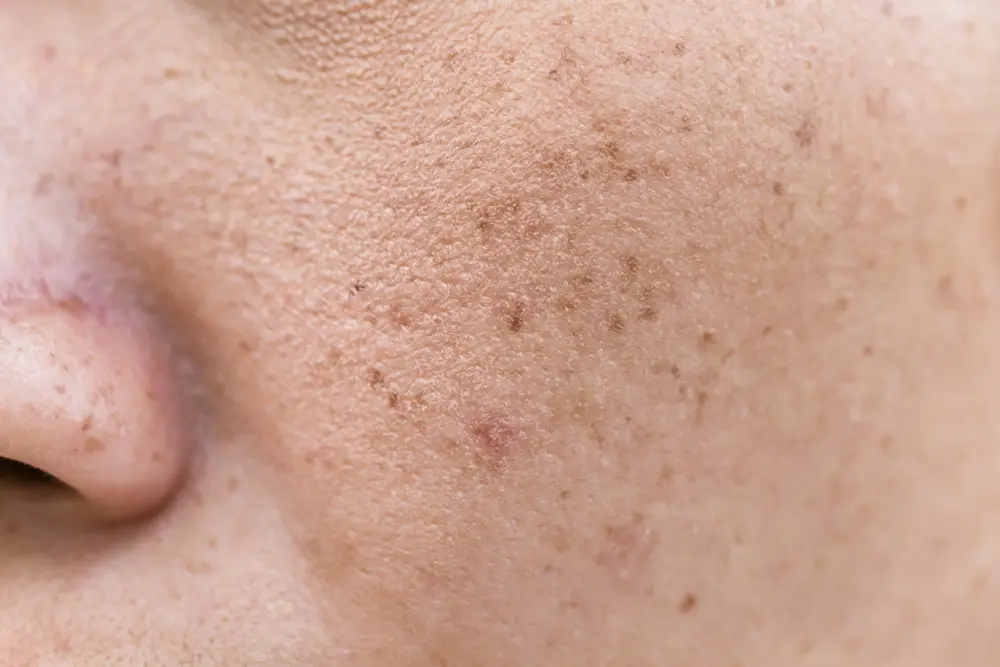
Sun damage arrives gradually — freckles that never fade after summer, a brown spot on the cheekbone, a flush across the nose that now stays. By the time most people notice, years of sun have left a patchwork of brown and red. An IPL photofacial is one of the most popular ways to address it, because it treats both the brown and the red in the same session, with very little downtime.
This guide explains what an IPL photofacial is, how Lumecca works, what it treats, and who is a good candidate.
What Is an IPL Photofacial?
IPL stands for intense pulsed light. An IPL photofacial is a light-based treatment that delivers short, powerful flashes of light through a handpiece placed against the skin. Despite the name, it is not limited to the face.
Like laser treatments, IPL works through selective photothermolysis: light is absorbed by a specific target, converted into heat, and that heat damages the target while surrounding tissue absorbs far less. There are two main targets:
- Melanin — the pigment in sun spots, age spots and freckles. Heat breaks up the excess pigment so the body can shed and clear it.
- Hemoglobin — the red component of blood inside small, visible vessels. Heat causes those vessels to close and fade, which reduces redness and broken capillaries.
IPL vs laser: what’s the difference?
A laser emits a single, concentrated wavelength of light aimed at one target. IPL emits a broad spectrum of wavelengths at once, and filters are used to narrow that spectrum toward the concern being treated. A useful way to picture it: a laser is a spotlight aimed at one object on a stage, while IPL is a set of stage lights with colored gels that can be swapped to highlight different things.
That broader spectrum is why IPL can address brown spots and redness across a wide area in one treatment. It works on color and clarity, not on removing layers of skin.
What Is Lumecca?
Lumecca is an IPL platform made by InMode, the medical aesthetics company behind devices such as Morpheus8 and Forma. It is designed to deliver high peak power and uses interchangeable filters so the light can be tailored to pigment, redness, or both.
At New You Skin & Body Spa, we offer Lumecca Peak IPL for patients who want a clearer, more even complexion. You can learn more about the device and see before-and-after photos on our Lumecca Peak IPL page.
You may also hear the term BBL (BroadBand Light), a trademarked IPL system made by Sciton. BBL and Lumecca work on the same principle and are made by different manufacturers; New You offers Lumecca.
What Does an IPL Photofacial Treat?
Common concerns include:
- Sun spots and age spots — the flat brown spots (often called solar lentigines) that appear on sun-exposed skin.
- Freckles — especially those that have multiplied or darkened over time.
- Broken capillaries and spider veins — small visible vessels on the cheeks, nose and chin, sometimes called telangiectasias.
- Rosacea-related redness — the persistent flushing and visible vessels associated with rosacea. IPL does not cure rosacea, but it can reduce the redness that comes with it.
- Uneven tone and blotchiness — including some post-acne marks.
The most common areas are those that see the most sun: the face, neck, décolleté, hands, arms and legs. IPL does not remove deep wrinkles, tighten loose skin, or resurface rough texture. Melasma — a hormonally driven type of pigmentation — is a special case, because heat-based treatments can sometimes make it worse, so it needs careful assessment before any light treatment is considered.
What Happens During a Lumecca Session?
Before your appointment
Preparation matters most for safety. Avoid direct, prolonged sun exposure and tanning — including tanning beds and self-tanners — for about a month before treatment. Tanned skin holds extra pigment that competes with the spots for the light’s energy. Tell your provider about any medications or supplements you take.
During treatment
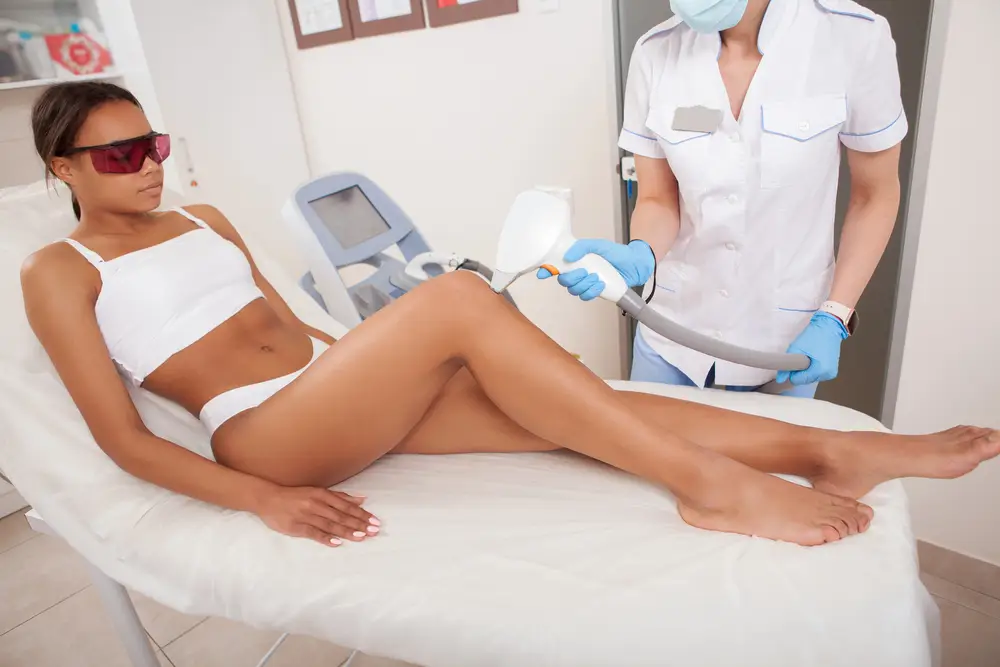
Your skin is cleansed, a cool gel is applied, and you are given protective eyewear. The provider moves the handpiece across the area, delivering a pulse of light at each spot. You will see a bright flash and feel a quick, warm snap — often compared to a light elastic band against the skin.
Right after
Mild redness and a feeling of warmth, similar to a light sunburn, are common and usually settle within an hour or a few hours. Most people go straight back to work or their normal routine the same day.
The “Coffee Grounds” Stage: What to Expect as Spots Fade
This part surprises people the most. Within roughly 24 to 48 hours, the brown spots that were treated will look darker, not lighter. Many patients describe them as looking like coffee grounds or a sprinkling of pepper on the skin.
That darkening is a sign the treatment is working. The heat has broken up the pigment and pushed it toward the surface. Over the following week, the darkened spots flake away on their own, revealing a more even tone. Let them shed naturally — do not pick or scrub them off.
Redness treatments behave a little differently. Treated vessels may briefly look darker, purple, or slightly blanched before they fade over several days to about two weeks.
How Many IPL Sessions Will You Need?
Most people get their best results from a series. We typically suggest a package of three sessions, spaced several weeks apart, for optimal results. The exact plan depends on the severity of your sun damage, your skin type, whether you are treating pigment, redness or both, and the energy settings your skin can safely tolerate.
New spots can still form with continued sun exposure and aging, so many people return for an occasional maintenance session.
Downtime and Side Effects
Most patients have no social downtime beyond some redness and the temporary darkening of treated spots. Less common side effects include swelling, mild bruising over treated vessels, or temporary color changes. Blistering or lasting pigment changes are uncommon, but the risk rises with tanned or darker skin — which is why candidate selection matters so much.
Who Is a Good Candidate for an IPL Photofacial?
Because IPL targets pigment, the best results come when there is clear contrast between the spots and the surrounding skin. Lumecca is generally best suited to people with lighter skin tones — Fitzpatrick skin types I to III — who have visible sun damage, redness or uneven tone.
You may need to wait, or IPL may not be the right choice, if you:
- Have a current tan, sunburn or recent significant sun exposure.
- Have a darker skin tone, where the skin’s own melanin can absorb too much energy and raise the risk of burns or pigment changes.
- Take medications or supplements that increase light sensitivity, or have recently used certain acne medications.
- Are pregnant or have an active skin infection in the area.
- Have melasma or a spot that has changed in size, shape or color — any changing spot should be checked by a doctor or dermatologist before cosmetic treatment.
This list is general. A consultation reviews your skin type, health history and goals so the right treatment can be recommended.
Aftercare: Sun Protection Is Non-Negotiable
Treated skin is more sensitive to sunlight afterward, and fresh sun exposure can undo results. Good aftercare is simple:
- Wear a broad-spectrum sunscreen of SPF 30 or higher every day, and reapply when you are outdoors.
- Avoid direct sun and tanning after treatment, and add a wide-brimmed hat when you can.
- Be gentle with your skin. Skip scrubs, retinoids and exfoliants until your provider says to resume them.
- Let the “coffee grounds” flake off naturally. Picking can irritate the skin and lead to marks.
The American Academy of Dermatology recommends broad-spectrum SPF 30 or higher for everyone — advice that matters even more after a sun damage treatment in Sarver, PA, where summer sun and reflective winter snow both add up.
How IPL Fits With Other Skin Treatments
IPL is excellent for color. When the concern is texture, fine lines or firmness, other treatments fit better and can often be combined. Tetra CO2 CoolPeel laser resurfacing addresses fine lines, texture and deeper sun damage, while Forma radiofrequency skin tightening uses gentle heat to support collagen and firmness with little to no downtime. For a non-device approach to tone, see our guide to chemical peel benefits.
Frequently Asked Questions
Does an IPL photofacial hurt?
Most people find it very tolerable. Each pulse feels like a warm snap, and the cooling gel helps.
How soon will I see results?
Brown spots darken within a day or two and flake off over about a week, so many people notice a brighter, more even tone within one to two weeks. Treated redness, such as broken capillaries, may take up to two weeks to fade, and results build with each session in a series.
When is the best time of year for IPL?
Many people prefer fall and winter, when it is easier to avoid the sun before and after treatment.
Will my sun spots come back?
Treated spots are often significantly lighter or gone, but new ones can develop with future sun exposure and aging. Daily sunscreen and occasional maintenance sessions help keep skin clear.
The Bottom Line
An IPL photofacial is one of the most effective, low-downtime ways to fade the brown spots, redness and broken capillaries left by years of sun. With Lumecca, most suitable candidates see clearer, more even skin after a short series — especially when they protect their results with sunscreen.
If you are curious whether an IPL photofacial is right for your skin, you can learn more about Lumecca IPL at New You. The team at New You Skin & Body Spa in Sarver, PA is happy to answer your questions and walk you through what a personalized treatment plan might look like.