Laser Hair Removal 101: How Diode Lasers Permanently Reduce Hair
Key Takeaways
- Laser hair removal works through selective photothermolysis: laser light is absorbed by the pigment in the hair, converted to heat, and used to damage the follicle’s ability to regrow hair.
- Diode lasers are among the most widely used hair removal technologies because their wavelength reaches the follicle while allowing settings to be tailored to different skin tones.
- The FDA-cleared claim is permanent hair reduction — a long-term, stable decrease in hair — not guaranteed removal of every hair.
- Multiple sessions are needed because only hairs in the active growth phase respond. Most people need around four to six sessions spaced several weeks apart.
- Shave before treatment, avoid waxing, plucking and tanning, and choose a licensed provider using a medical-grade laser.
Most people who look into laser hair removal have the same two questions: does it actually work, and is it really permanent? The answers are yes and “mostly” — and understanding why is the key to having realistic expectations. Laser hair removal is not magic, and it is not a single appointment. It is a well-studied medical treatment built on a simple principle of physics, timed around the natural cycle your hair already follows.
This guide explains how laser hair removal works, why diode lasers are so widely used, why you need a series of sessions, and what a typical treatment looks like from start to finish.
How Does Laser Hair Removal Work?
Laser hair removal works by using concentrated light to heat and damage the hair follicle so it can no longer produce new hair effectively. The scientific term is selective photothermolysis, which breaks down neatly:
- Selective — the laser targets one specific thing, called a chromophore. For hair removal, that target is melanin, the pigment that gives hair its color.
- Photo — the energy is delivered as light at a specific wavelength.
- Thermolysis — that light is absorbed and converted into heat, which damages the target.
When the laser pulses, the dark pigment in the hair shaft absorbs the light energy and heats up. That heat travels down the hair to the follicle — specifically to the structures responsible for growing new hair — and disables them. The surrounding skin, which contains less pigment than the hair, absorbs far less of the energy, especially when the device includes skin cooling.
Think of it like sunlight on a black car versus a white car on a summer afternoon. The dark surface soaks up the energy and gets hot; the light surface reflects much of it. Laser hair removal uses the same idea at a microscopic level, with the hair acting as the “dark car.”
Why Diode Lasers?
Several laser types are used for hair removal, including alexandrite, Nd:YAG, and diode lasers, as well as non-laser intense pulsed light (IPL). Diode lasers have become one of the most widely used options in medical aesthetics for a few reasons:
- Effective wavelength. Diode lasers typically operate in the near-infrared range, around 800 to 810 nanometers. That wavelength penetrates deep enough to reach the follicle while still being well absorbed by melanin.
- Versatility across skin tones. With appropriate settings — pulse duration, energy level, and cooling — diode lasers can be used on a broad range of skin tones, from fair to medium-dark. Settings matter, which is why the operator matters.
- Speed. Modern diode systems use larger treatment windows, so bigger areas like the legs or back can be treated faster than with older devices.
- Comfort. Many diode lasers have built-in contact cooling that chills the skin surface during each pulse, making the treatment more comfortable and protecting the outer skin.
At New You Skin & Body Spa, we use the Fusion Light & Dark diode system, which builds on the DiolazeXL platform and includes dedicated settings for both lighter and darker skin tones, a large spot size, and a built-in cooling surface. You can read more about it on our laser hair removal page.
Is Laser Hair Removal Permanent?
This is where precise language matters. The FDA clears laser hair removal devices for permanent hair reduction — defined as a long-term, stable reduction in the number of hairs that regrow after a treatment regimen. That is not the same as permanent removal of every single hair.
In practice, most people see a significant, lasting reduction in hair after completing their series. The hair that does grow back is often finer and lighter. Some follicles may eventually reactivate over time, particularly with hormonal shifts, which is why some people benefit from an occasional maintenance session. Anyone promising 100 percent permanent removal for everyone is overpromising.
Why You Need Multiple Sessions
Your hair is not all growing at the same time. Each follicle cycles independently through three main phases:
- Anagen (active growth). The hair is attached to the follicle’s root and actively growing. This is the phase in which laser treatment works best, because the pigmented hair is connected to the structures that need to be disabled.
- Catagen (transition). The hair detaches from its blood supply and stops growing.
- Telogen (resting). The old hair sits in the follicle until it sheds and a new cycle begins.
At any given moment, only a portion of the hairs in an area are in the anagen phase. A single session reaches those hairs; the others will cycle into growth later. That is why treatments are spaced out — typically every four to eight weeks depending on the body area — to catch each new wave of growing hair.
Most patients need around four to six sessions to see their best results, though the exact number depends on hair color, hair thickness, skin tone, the area being treated, and hormonal factors. Facial hair, for example, tends to cycle faster and may need sessions closer together, while areas like the legs may be spaced further apart.
Who Is a Good Candidate?
Because the laser targets pigment, the best results come when there is contrast between the hair and the skin — and when the hair has pigment to target at all.
- Dark, coarse hair responds best on most skin tones.
- Blonde, red, gray, and white hair contain little or no melanin, so they generally respond poorly or not at all to laser treatment.
- Skin tone affects which settings are safe. Darker skin contains more melanin, which competes with the hair for the laser’s energy. Modern diode systems with dedicated settings and cooling have made treatment far more accessible across skin tones, but the parameters must be chosen carefully.
You may need to wait or skip treatment if you are pregnant, have a recent tan or sunburn, have an active skin infection in the area, or take medications that increase light sensitivity. Your provider will review your health history before your first session.
What to Expect at a Laser Hair Removal Session in Sarver, PA
Before your appointment
- Shave the area a day before or the morning of treatment. This removes the hair above the skin so the energy goes into the follicle rather than burning surface hair.
- Do not wax, pluck, or use epilators for several weeks beforehand. These remove the hair from the root, leaving nothing for the laser to target.
- Avoid sun exposure and tanning, including self-tanners, before treatment.
- Arrive with clean skin, free of lotions or deodorant on the treatment area.
During treatment
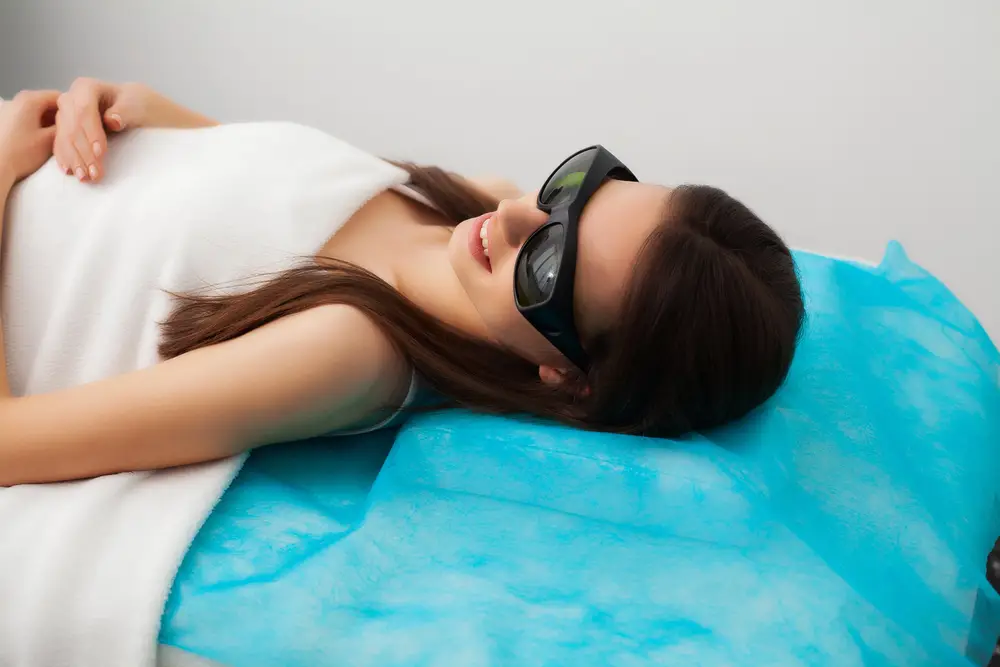
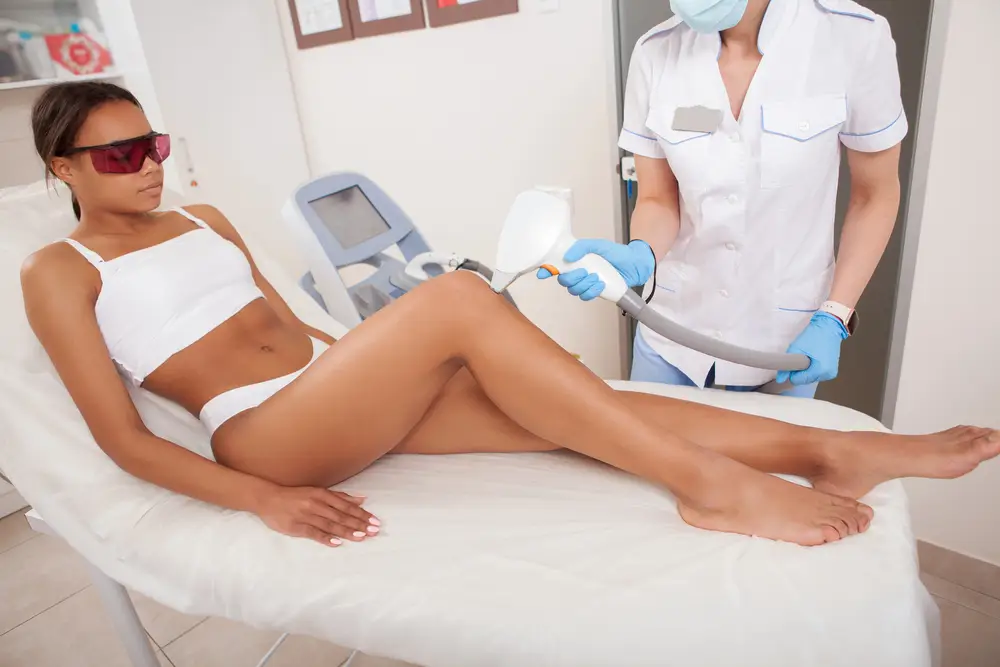
Your provider will cleanse the area, select settings based on your skin and hair, and give you protective eyewear. The handpiece is glided across the skin in passes, delivering pulses of light. Many people describe the sensation as warm snapping or a rubber band flick. Built-in cooling helps keep it comfortable. Small areas like the underarms take only minutes; larger areas like the full legs or back take longer.
After treatment
Mild redness and slight swelling around the follicles is common and usually settles within a few hours to a day. Most people return to normal activities immediately. Avoid hot tubs, intense exercise, and sun exposure for a day or two, and wear sunscreen on exposed treated areas. Over the next one to three weeks, treated hairs will shed — this can look like regrowth at first, but it is the damaged hair working its way out.
What Areas Can Be Treated?
Laser hair removal can be used on most areas of the face and body where unwanted hair grows. The most commonly treated areas include the underarms, bikini line, legs, arms, back, shoulders, chest, stomach, and facial areas such as the upper lip, chin, neck, and sideburns. It is popular with both women and men — men frequently treat the back, shoulders, and neckline, while women often start with the underarms, bikini area, or legs. The main area that is not treated is the skin immediately around the eyes, where the laser could put the eye itself at risk.
Laser Hair Removal vs Other Hair Removal Methods
Shaving, waxing, threading, and depilatory creams all remove hair temporarily, and they need to be repeated indefinitely. Electrolysis is the only method the FDA recognizes as permanent hair removal, but it treats one follicle at a time and is slow for larger areas. Laser hair removal sits in between: it reduces hair across large areas in a manageable number of sessions, with long-lasting results for most people.
If your interest in lasers extends beyond hair — to sun spots, redness, or skin texture — other light-based treatments may help. Lumecca IPL photofacials target pigment and redness from sun damage, while CoolPeel CO2 laser resurfacing addresses fine lines and texture.
Why the Provider and Device Matter
Laser hair removal is a medical treatment. The most important safety decisions — selecting the right wavelength, energy level, pulse duration, and cooling for your skin — are made by the person operating the laser. Choose a licensed provider using a medical-grade device, ask about their experience with your skin tone, and expect a thorough consultation before your first pulse.
If you are curious whether laser hair removal is right for you, you can learn more about laser hair removal at New You. The team at New You Skin & Body Spa in Sarver, PA is happy to answer your questions and walk you through what a personalized treatment plan might look like.