Hair Transplant Timeline: What to Expect Month by Month

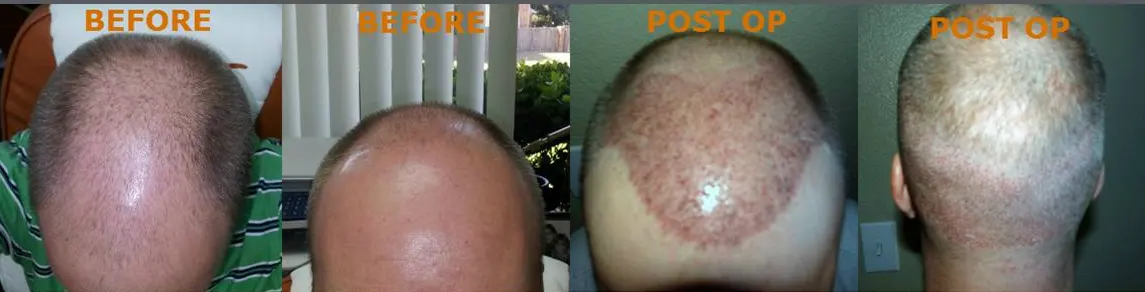
- A hair transplant is a slow reveal, not an instant change — most people see real results around months 6–9 and their final, fullest look at 12 months or beyond.
- “Shock loss” is normal. Around 2–4 weeks after surgery, the transplanted hairs shed. The follicles stay put and regrow — shedding is a sign the cycle is restarting, not a failure.
- Months 1–3 are the quiet stretch. Little visible growth is expected; patience here is part of the process.
- Good aftercare in the first two weeks protects your investment more than anything else you can do.
- Results from New You’s NeoGraft hair restoration in Sarver, PA are permanent, because the transplanted follicles are genetically resistant to thinning.
If you’ve just had a hair transplant — or you’re researching one before you commit — it’s natural to want a clear picture of when you’ll actually see results. The short answer is that hair restoration rewards patience. Seeing the full outcome is a gradual process that usually takes about a year, and sometimes a little longer.
This guide walks you through the entire journey, from the day of your procedure to your final results, so you know exactly what each stage should look and feel like. We’ll also explain the natural hair growth cycle underneath it all, because once you understand that, the timeline (including the alarming-but-normal shedding phase) makes complete sense.
The Timeline at a Glance
Here’s the big picture before we dig into the details. Use it as a quick reference, but remember every scalp heals on its own schedule.
| Time After Surgery | What’s Happening | What to Expect |
|---|---|---|
| First few days | Tiny scabs form around each graft; donor area begins healing | Keep the area clean and follow aftercare exactly |
| Weeks 2–4 | Transplanted hairs shed (“shock loss”) | Totally normal — the follicles remain in place |
| Months 1–3 | Quiet phase, minimal visible growth | Be patient; this is expected |
| Months 4–6 | New, finer hairs start emerging and thickening | You’ll start to see real change |
| Months 6–9 | Noticeably fuller coverage in the treated area | The most rewarding stretch for most people |
| 12 months+ | Final, full results — natural density and texture | Enjoy your permanent new hair |
Understanding the Hair Growth Cycle
Every hair on your head moves through its own life cycle, independent of the hairs around it. That’s why you’re always growing some hairs while shedding others. Understanding these four phases is the key to understanding why transplanted hair behaves the way it does.
1. Anagen (Growth Phase)
This is the active growing phase, and at any given time roughly 85–90% of your scalp hairs are in it. Anagen can last anywhere from two to seven years, which is why some people can grow their hair so long. The longer your anagen phase, the longer your hair grows before it rests.
2. Catagen (Transition Phase)
A short transitional stage lasting around two to three weeks, with only about 1–2% of hairs in it at once. The follicle stops growing and detaches from its blood supply, preparing to rest.
3. Telogen (Resting Phase)
About 10–15% of your hairs are resting at any time. The follicle pauses for roughly three months before gearing up to grow a new hair.
4. Exogen (Shedding Phase)
This is the natural shedding stage — losing up to about 100 hairs a day through normal washing and brushing is completely healthy. As old hairs fall out, new ones are already forming beneath them, and the cycle begins again.
Why this matters: When follicles are transplanted, the stress of being moved pushes them into a temporary resting/shedding phase. That’s the “shock loss” you’ll experience in the first weeks. The follicle itself is healthy and anchored — it’s just resetting before it grows a brand-new hair.
The First 48 Hours
The day after surgery, your scalp will look much like it did right after the procedure. You’ll likely see small scabs or crusts forming around each placed graft — this is normal and part of healing. The donor area on the back or sides of your head (especially with FUE) tends to heal quickly. If you have any dressing over the donor site, your team will tell you exactly how and when to remove it. The golden rule: don’t get the transplanted area wet until you’re cleared to, and don’t touch or pick at anything.
The First Week: Rest and Protect
This is the most important week for protecting your results. The grafts are still settling in, so gentle, careful behavior pays off for months to come.
- Rest up. Skip heavy exercise and anything strenuous. Sleep and good nutrition speed healing.
- Sleep elevated. Keep your head raised at the angle your provider recommends to reduce swelling and protect the grafts.
- Follow your washing instructions to the letter. You’ll likely mist the area with saline spray and wash only as directed.
- No alcohol or smoking. Both slow healing and reduce blood flow to the scalp.
- Don’t scratch or pick. Itching and scabbing are normal — leave them alone so the grafts can anchor.
For a fuller pre-surgery checklist, our guide on how to prepare for your hair transplant covers the weeks leading up to the day itself.
Weeks 2–4: The Shedding Phase
Somewhere between two weeks and a month, the transplanted hairs will start to fall out. If no one warned you, this can be genuinely alarming — but it happens to nearly everyone and it’s a normal, expected stage called shock loss. You may notice short hairs on your pillow or in the shower. Remember the growth cycle: the visible hair shaft is shedding, but the follicle that produces it is safe in your scalp, resting before it grows fresh hair. Your scalp may temporarily look much like it did before surgery. Hang in there.
Months 1–3: The Quiet Stretch
This is the phase that tests your patience. Visible growth is usually minimal — often less than half a centimeter in the first eight weeks — and it’s common to wonder whether the transplant “took.” It did. The follicles are simply in their resting phase, getting ready to produce new hairs. Everyone’s pace is different, so try not to compare yourself to before-and-after photos online. Trust the process.
Months 4–6: Real Change Begins
Around the four-month mark, the payoff starts. New hairs push through across the treated area, and your overall density visibly improves. There’s an important detail here: the new hairs often come in fine, soft, or even a little frizzy at first. That’s completely normal. As each hair matures, it thickens and blends in with the rest of your hair. For many people this is the most encouraging part of the whole journey — the moment results become undeniable.
Months 6–9: Coming Together
By now, more and more transplanted hairs are growing in and filling out the scalp. The treated area looks meaningfully thicker, and the new hair increasingly resembles your original hair in texture and color. If you wear your hair short, it may already look fully blended at this stage. If you wear it longer, the new hairs are still catching up in length.
9–12 Months and Beyond: Final Results
Between roughly nine and twelve months, your results settle into their final form. The transplanted hair matures fully, the hairline looks natural and settled, and it’s typically very hard to tell the new hair from the rest. Some people — particularly those with a lot of crown coverage or who like longer styles — continue to see modest improvement up to 18 months. Once you reach this point, the results are permanent: the transplanted follicles came from areas genetically resistant to thinning, so they keep growing for life. Our companion guide on whether a hair transplant is permanent explains exactly why.
What If Growth Seems Slow?
If your progress feels behind schedule, the first step is simply to give it time — slow starts are common and rarely a problem. That said, you should always stay in touch with your provider. They can check your growth, rule out unrelated causes of temporary shedding, and, if appropriate, discuss whether supportive treatments such as Minoxidil, Finasteride, or a supplement like Nutrafol make sense for you. If you’re still planning your procedure, our guide on how many hair grafts you need helps set realistic expectations from the start.
A gentle reminder: Every head of hair grows at its own pace. The single best thing you can do for a full, strong result is to follow your aftercare instructions closely — especially in those first two weeks.
We’re With You at Every Stage
A hair transplant is a year-long partnership, not a one-day event. From your first consultation through full regrowth, Dr. Jerry and the team at New You Skin & Body Spa in Sarver, PA are here to answer questions and keep you reassured along the way. Learn more about our NeoGraft hair restoration, or call 724.294.8450 to book a consultation.
Disclaimer: The information provided here is for general knowledge only and should not be considered medical advice. For any questions or concerns about your health or medications, please consult your physician or healthcare provider, who is best equipped to provide guidance specific to your needs.