
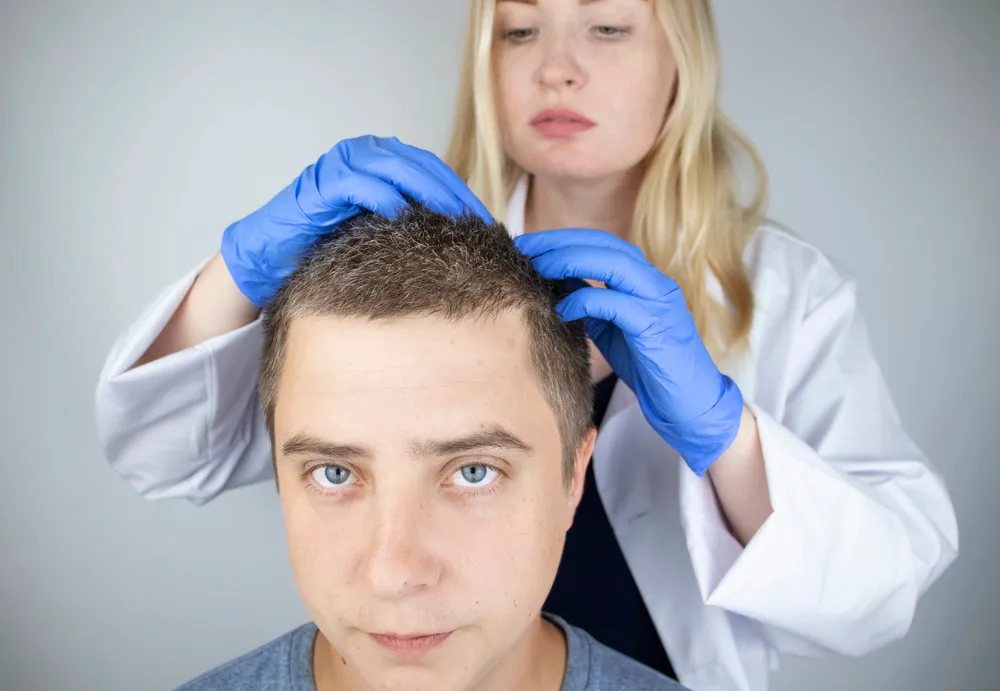
Is a Hair Transplant Permanent?

Key Takeaways
- Yes — a hair transplant is permanent. Transplanted follicles keep growing for life because they’re taken from areas genetically resistant to hair loss.
- The science behind this is called “donor dominance”: the follicle keeps its original, loss-resistant nature even after it’s moved.
- What can look like a failed transplant is usually the surrounding original hair continuing to thin — not the transplanted hair falling out.
- Skilled technique, good aftercare, and realistic expectations are what protect a long-lasting result.
- New You’s NeoGraft hair restoration in Sarver, PA is a doctor-operated, minimally invasive FUE method designed for natural, permanent results.
Hair loss can quietly chip away at your confidence, so it’s no surprise that the promise of fuller, natural-looking hair is appealing. But before committing to a procedure, almost everyone asks the same fair question: is a hair transplant actually permanent, or will the results fade in a few years?
The short answer is yes — a properly performed hair transplant is permanent. But understanding why matters, because it also explains the situations where results can disappoint and how to avoid them. As a doctor-operated medical spa offering NeoGraft hair restoration, we’ll walk you through the science, the process, and what realistic, lasting results look like.
What Is a Hair Transplant?
A hair transplant is a minimally invasive cosmetic procedure that relocates healthy hair follicles from one part of the scalp — the donor site — to areas thinning or going bald, called the recipient site. The donor area is almost always the back and sides of the head, and there’s a very deliberate reason for that, which we’ll get to shortly.
There are two main techniques, and knowing the difference helps you understand the modern approach.
| Technique | How It Works | Notable For |
|---|---|---|
| FUT (Follicular Unit Transplantation) | A strip of skin with follicles is removed from the donor area and divided into grafts | Can move many grafts at once; leaves a linear scar |
| FUE (Follicular Unit Extraction) | Individual follicular units are harvested one at a time and re-implanted | Minimal scarring, natural look, faster recovery |
NeoGraft is a leader in FUE technology. It semi-automates and refines the extraction and implantation process, reducing trauma to the delicate donor follicles and improving the consistency of results. Because it’s doctor-operated at New You, it’s prized for minimal scarring, a natural-looking hairline, and a relatively speedy recovery.
Why Does a Hair Transplant Last So Long?
The permanence of a hair transplant isn’t luck — it’s genetics. Three factors work together to make the results last.
1. Donor Dominance
This is the single most important concept. Hair follicles on the sides and back of the scalp are genetically programmed to resist DHT (dihydrotestosterone) — the hormone primarily responsible for male and female pattern baldness. Follicles at the top of the head are sensitive to DHT and gradually miniaturize and thin; the donor follicles are not. When those tough, resistant follicles are moved to a thinning area, they bring their resistance with them and keep behaving as if they were still in their original spot. That phenomenon is called donor dominance, and it’s why transplanted hair keeps growing.
2. Skilled Technique
Genetics set the potential, but technique determines whether that potential is realized. Modern FUE systems like NeoGraft — operated by trained physicians — extract and place follicles carefully, at the correct angle and depth, to maximize how many survive and grow. Precision here is everything: it reduces follicle trauma and supports the natural, consistent regrowth that makes a result look untouched.
3. The Natural Hair Cycle
After transplantation, the relocated follicles enter a short resting phase. Within a few weeks they shed their initial hairs — an expected, temporary stage — before beginning to grow fresh hairs. Once that cycle restarts, the transplanted hair grows in the same pattern as the donor region did: typically, for a lifetime. (We map this out month by month in our hair transplant timeline guide.)
The key insight: A transplant doesn’t make hair “loss-proof” by adding something to your scalp. It works by moving follicles that were already resistant to loss into the areas that needed them.
Can a Hair Transplant Ever Last a Shorter Time?
Transplants are designed to be permanent — but results can fall short of expectations in a handful of situations. Knowing them up front helps you choose well and protect your investment.
Poor Surgical Technique
If follicles are damaged during extraction or implantation, or placed at the wrong angle or depth, their survival rate drops. The result can be patchy growth or early loss of the transplanted hairs. This is precisely why experience and physician oversight aren’t optional extras — they’re the difference between a result that lasts and one that doesn’t.
Ongoing (Native) Hair Loss
Here’s the most common source of confusion. The transplanted hairs are permanent, but the original, non-transplanted hairs around them can keep thinning over time, because those follicles were never DHT-resistant. As they fade, it can look like the transplant is “wearing off” — when in reality it’s the surrounding native hair that’s being lost. Maintenance treatments and occasional touch-up sessions can address this so the overall look stays full.
Health and Aftercare
Underlying medical conditions, certain medications, smoking, excessive sun exposure, and poor post-procedure care can all influence how well a transplant takes and lasts. Following your physician’s aftercare instructions — especially in the first couple of weeks — is one of the biggest levers you control.
Unrealistic Expectations
Donor hair is a finite resource. Someone with extensive baldness may not be able to reach the density of their twenties from a single session, simply because there’s a limited supply of donor follicles. Depending on the extent of loss and your density goals, more than one session may be needed. A good consultation sets honest expectations from the start — and our guide to how many hair grafts you need helps you plan.
How to Protect Your Results
If you want your transplant to look its best for the long haul, a few things make the biggest difference:
- Choose a physician-operated provider. Skilled technique is the foundation of follicle survival.
- Follow aftercare closely. The first two weeks protect your grafts more than anything else.
- Address native hair loss. Treatments like Minoxidil, Finasteride, or a supplement such as Nutrafol can help slow thinning of your original hair.
- Live well for your scalp. Not smoking, eating a nutrient-rich diet, managing stress, and protecting your scalp from sun all support healthy growth.
- Stay in touch with your provider. Regular follow-up catches issues early and keeps your plan on track.
Lifestyle changes like these can help preserve the hair you have, though they can’t regrow follicles that are already inactive or scarred. That’s where a transplant fills the gap — by relocating living, resistant follicles into the areas that need them.
Frequently Asked Questions
Will transplanted hair ever fall out?
After an initial, temporary shedding phase in the first few weeks, the transplanted follicles regrow and continue growing for life. They don’t fall out the way DHT-sensitive hair does.
Why does my transplant look thinner years later?
Usually because the surrounding native (non-transplanted) hair has continued to thin. The transplanted hair itself remains — maintenance treatments or a touch-up session can restore overall fullness.
Is NeoGraft permanent?
Yes. NeoGraft is an FUE method that relocates DHT-resistant donor follicles, so the transplanted hair is permanent. Results are most reliable when the procedure is physician-operated, as it is at New You.
Might I need more than one session?
Possibly. With more extensive hair loss or ambitious density goals, a second session can help — your donor supply and your goals determine this, which a consultation will clarify.
Ready for Results That Last?
A hair transplant is one of the few hair-loss solutions that’s genuinely permanent — when it’s done well. At New You Skin & Body Spa, Dr. Jerry and the team perform doctor-operated NeoGraft hair restoration designed for natural, lasting results. To see whether you’re a good candidate in Sarver, PA, learn more about our NeoGraft hair restoration or call 724.294.8450.
Disclaimer: The information provided here is for general knowledge only and should not be considered medical advice. For any questions or concerns about your health or medications, please consult your physician or healthcare provider, who is best equipped to provide guidance specific to your needs.


